




Sex Doll Clothing Buying Guide
Know Your Doll's Key Measurements Before Buying Clothes
Why Isn't Height Enough?
Height is useful for estimating garment length, but it does not tell you whether a garment will actually fit the doll's body.
For example, two sex dolls may have the same overall height while having very different bust sizes. One may have a relatively moderate bust, while another has a fuller figure. If you choose the same clothing size based only on height, the top may be too tight around the chest, while pants may not provide enough room around the hips and thighs.
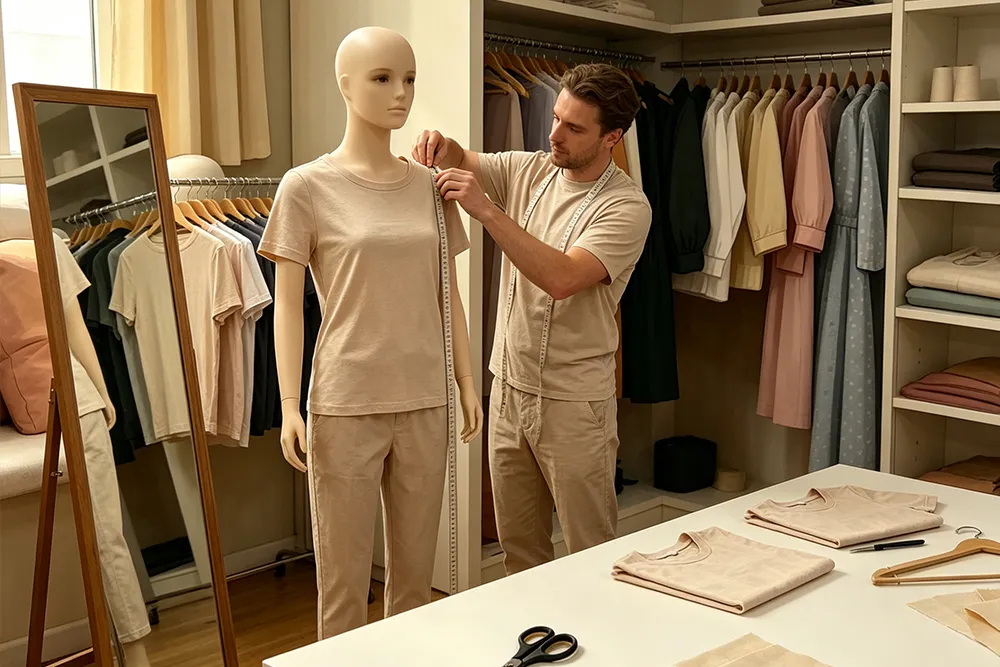
Before shopping, it is helpful to know at least the following measurements:
- Bust: Measure horizontally around the fullest part of the chest.
- Waist: Measure around the narrowest part of the waist.
- Hips: Measure around the fullest part of the hips.
- Shoulder width: Measure the distance between the shoulder points.
- Arm circumference and arm length: Useful when choosing long sleeves, fitted tops, or gloves.
- Thigh circumference and leg length: Important when choosing pants, stockings, and boots.
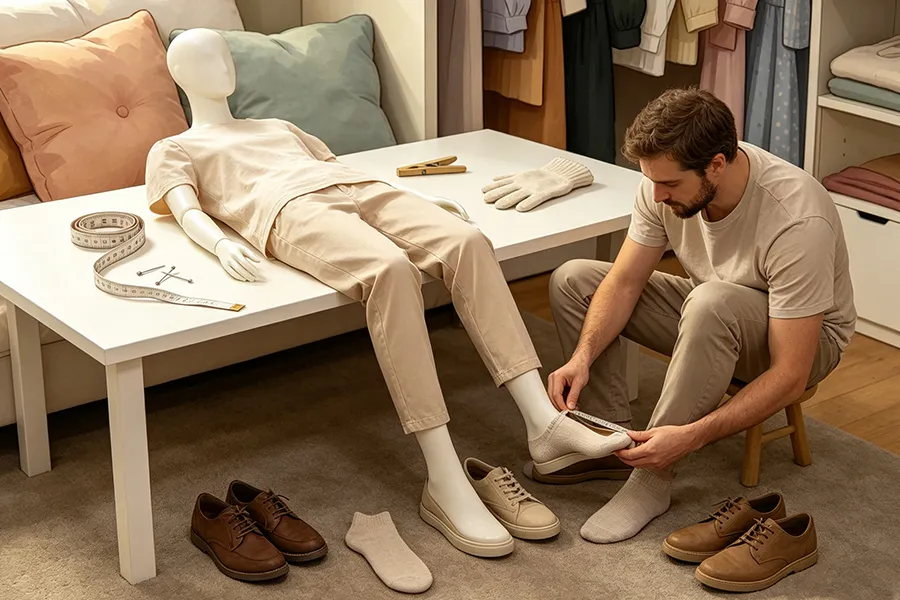
- Foot length and width: Essential when selecting shoes.
If the manufacturer provides a complete set of body measurements, use those specifications as your primary reference rather than estimating the dimensions yourself.
A Simple Way to Choose
Think of clothing selection as a five-step process:
Doll measurements → garment measurements → fabric stretch → garment construction → potential pressure or friction
Rather than:
Doll height → guess an S/M/L size → place an order
The first approach is much more reliable, especially when buying clothing online.
How to Use a Clothing Size Chart
This is one of the most important skills when shopping for sex doll clothing.
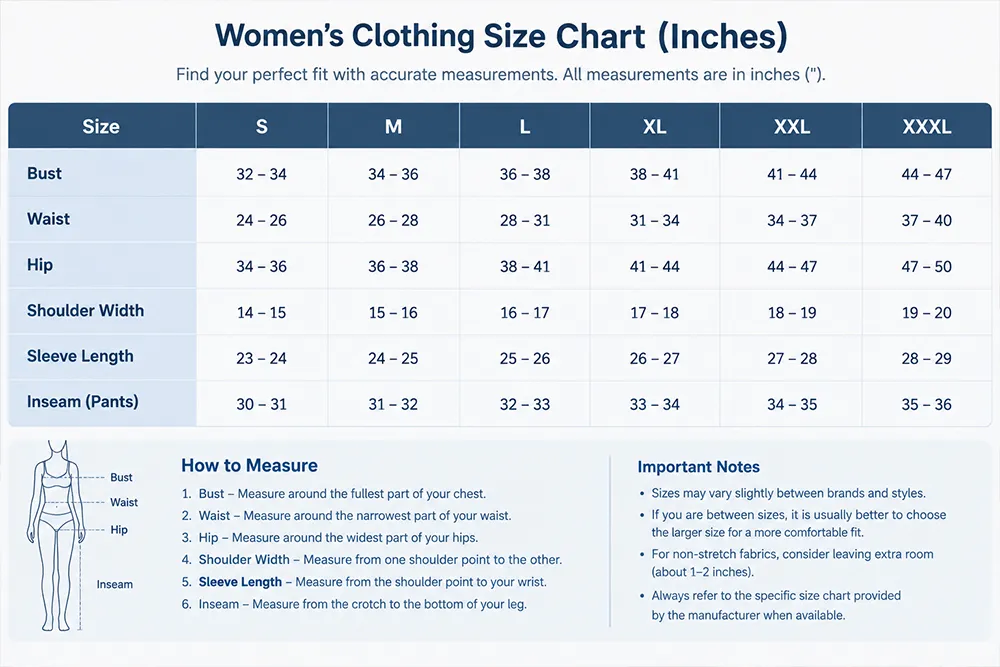
When buying clothes online, do not rely solely on labels such as S, M, L, US 4, or US 6. Sizing can vary significantly between brands, clothing categories, and individual garments.
The measurements that matter most are the garment's actual bust, waist, hip, shoulder, and length measurements.
1. Stretchy Clothing: Pay Attention to Measurements and Stretch
Knits, cotton blends, modal, stretch lace, and fabrics containing elastane or spandex have some flexibility and are generally more forgiving when the measurements are slightly different.
For stretchy garments, compare the garment's recommended body measurements with the doll's actual measurements rather than relying strictly on the size label.
This is one reason why moderately stretchy clothing is often easier for first-time buyers to select and put on than rigid, non-stretch garments.
2. Non-Stretch Clothing: Allow Additional Room
Suits, rigid denim, heavy cotton fabrics, and some cosplay costumes have limited stretch.
These garments cannot rely on fabric elasticity to accommodate differences in body shape, so you need sufficient room around the bust, waist, and hips.
For non-stretch clothing, allowing approximately 2–4 cm of additional room can provide more flexibility, depending on the garment design and how it is intended to fit.
If the doll falls between two sizes, particularly with a non-stretch garment, choosing the slightly larger size is generally safer than forcing a smaller garment onto the doll.
A garment that is too tight can make dressing more difficult and may create unnecessary pressure on the doll's surface.
Fabric Matters More Than You Might Expect
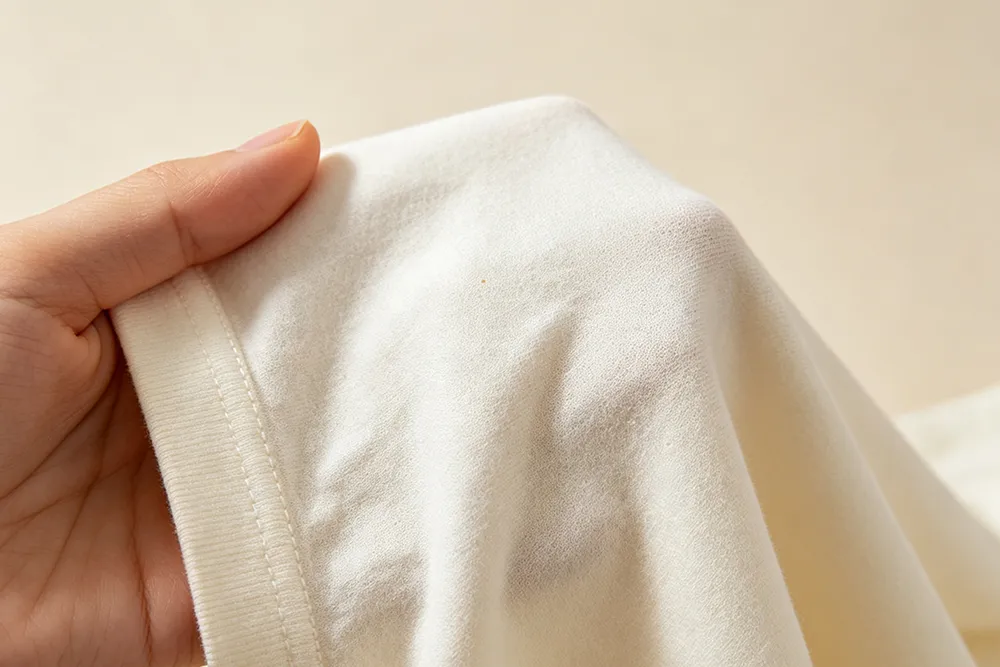
When choosing clothing for a sex doll, appearance is only one consideration. The fabric's surface and construction also matter because the garment may remain in direct contact with the doll's skin material.
When evaluating a fabric, consider three main factors:
- Is the surface soft and smooth?
- Does the fabric provide appropriate stretch?
- Is the dye likely to transfer onto the doll's surface?
For regular use, fabrics such as fine-gauge cotton knits, soft stretch cotton, modal blends, smooth stretch fabrics, quality satin or silk-like materials, and well-finished stretch lace can be practical options.
Fabrics That Are Generally Easier to Use
For clothing that will be worn regularly, consider:
- Light-colored cotton knits
- Soft stretch cotton
- Light-colored modal
- Soft spandex or elastane blends
- Smooth stretch fabrics
- Soft lace with finished edges
These materials are generally easier to put on and remove and can reduce unnecessary friction compared with rougher fabrics.
Fabrics That Deserve More Attention
Use additional caution with:
- Dark denim
- Low-quality PU or PVC
- Coarse linen or heavy canvas
- Thick corduroy
- Rough mesh
- Stiff organza
- Garments with rigid internal panels
Rough fabrics can increase friction, while some low-quality dark synthetic materials and denim may present a higher risk of dye transfer.
Color Is an Important Consideration
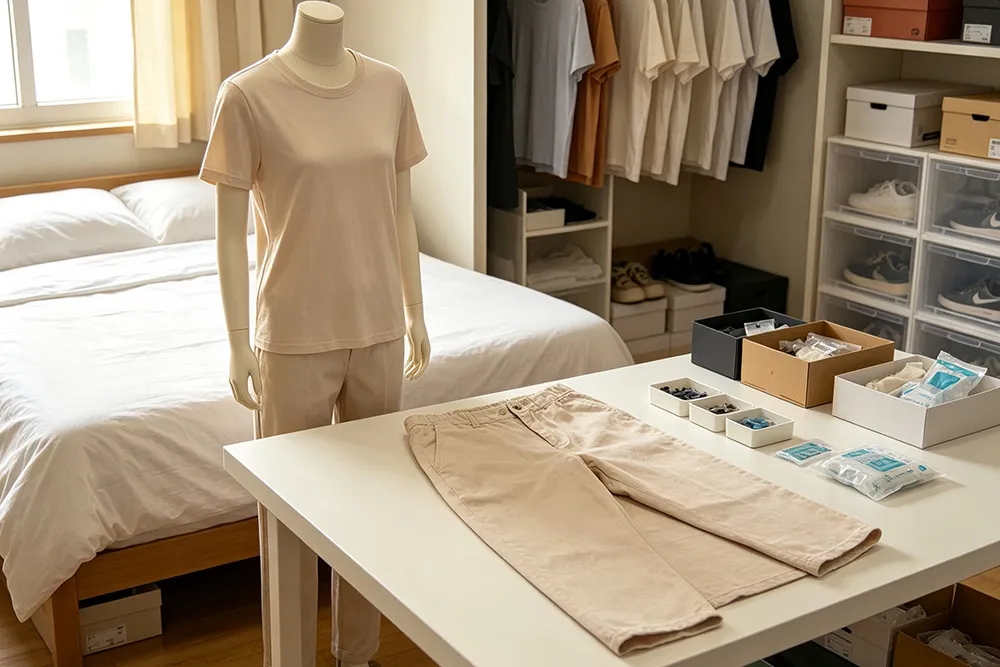
If you own a TPE sex doll, pay particular attention to dark-colored clothing and the possibility of dye transfer.
Black, dark blue, burgundy, and dark purple garments may release excess dye, particularly when they are poorly dyed or inadequately washed.
If dye transfers to TPE, the discoloration can be difficult or impossible to completely remove.
For this reason, light-colored clothing is generally a more conservative choice for regular use.
Examples include:
- Off-white
- Cream
- Light pink
- Light blue
- Light gray
What If You Prefer Black or Other Dark Colors?
Dark clothing is not automatically unsuitable.
Instead, take a few precautions:
Purchase → wash → test for colorfastness → perform a small contact test → use
Wash dark garments separately in cold water before the first use. You can also rub the inside of the garment with a damp white cloth or paper towel.
If significant color transfers onto the white material, avoid prolonged direct contact with the doll.
This precaution is particularly relevant for TPE dolls.
Clothing Hardware Can Be Just as Important as the Fabric
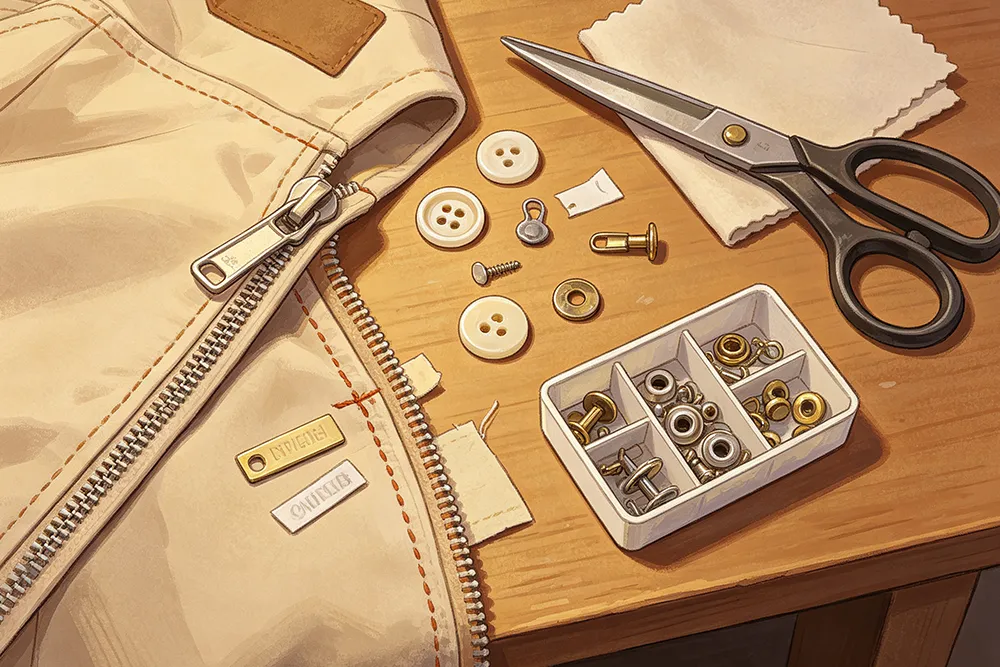
Many shoppers focus on fabric but overlook zippers, buttons, underwires, rivets, and decorative hardware.
In practice, any hard, sharp, or rough component that comes into direct contact with the doll should be inspected.
Before purchasing, check for:
- Metal zippers
- Metal rivets
- Sharp metal buttons or fasteners
- Velcro
- Underwire
- Rigid decorative pieces
- Rough seams
- Hard interior tags
Whenever possible, look for features such as covered or concealed zippers, rounded plastic buttons, and soft adjustable straps.
A Simple Inspection Method
Turn the garment inside out.
Look at the areas that will sit directly against the doll.
Ask yourself:
“If this part stays against the doll's skin for several hours, could it cause noticeable friction, pressure, or an indentation?”
If the answer is possibly yes, consider choosing a garment with simpler and softer construction.
Why Is a Slightly Looser Fit Often Better Than a Perfectly Snug Fit?
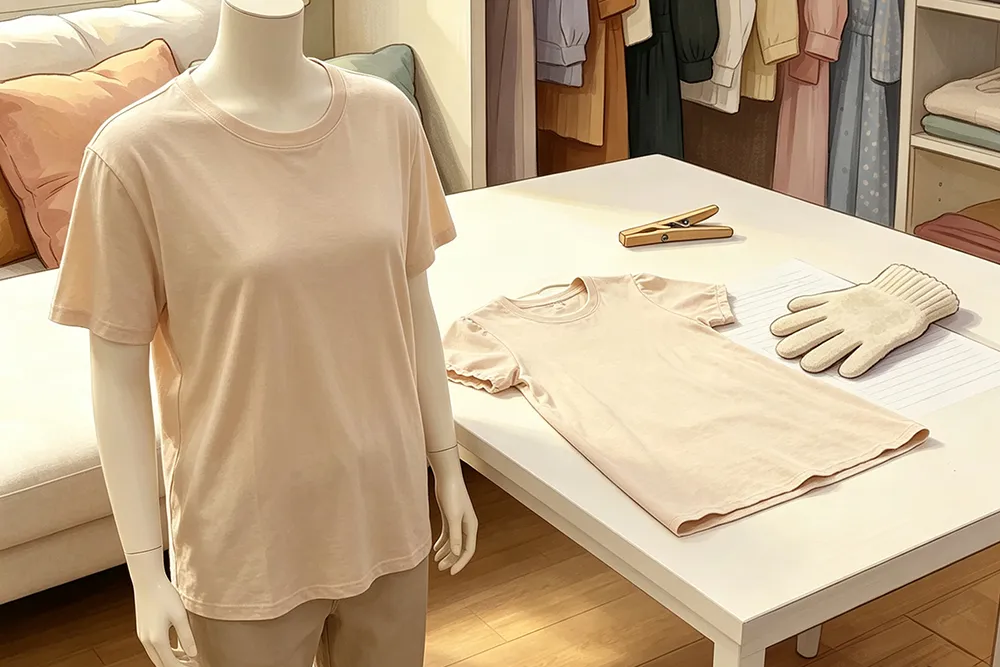
When shopping for human clothing, many people prefer a close, fitted look.
With sex dolls, however, the same approach is not always practical.
A very tight garment can concentrate pressure around areas such as:
- Under the bust
- Waist
- Armpits
- Upper thighs
- Arms
- Ankles
- Boot shafts
For this reason, when the correct size is uncertain, a slightly roomier garment is generally preferable to one that must be stretched aggressively into place.
If you are deciding between two sizes:
For regular use → choose the more forgiving fit.
For short photo sessions → a closer-fitting style may be acceptable, provided it does not forcefully compress the doll.
The goal is not simply to make the clothing look perfectly fitted. It is to balance appearance with practical use and material care.
How to Choose Lingerie for a Sex Doll
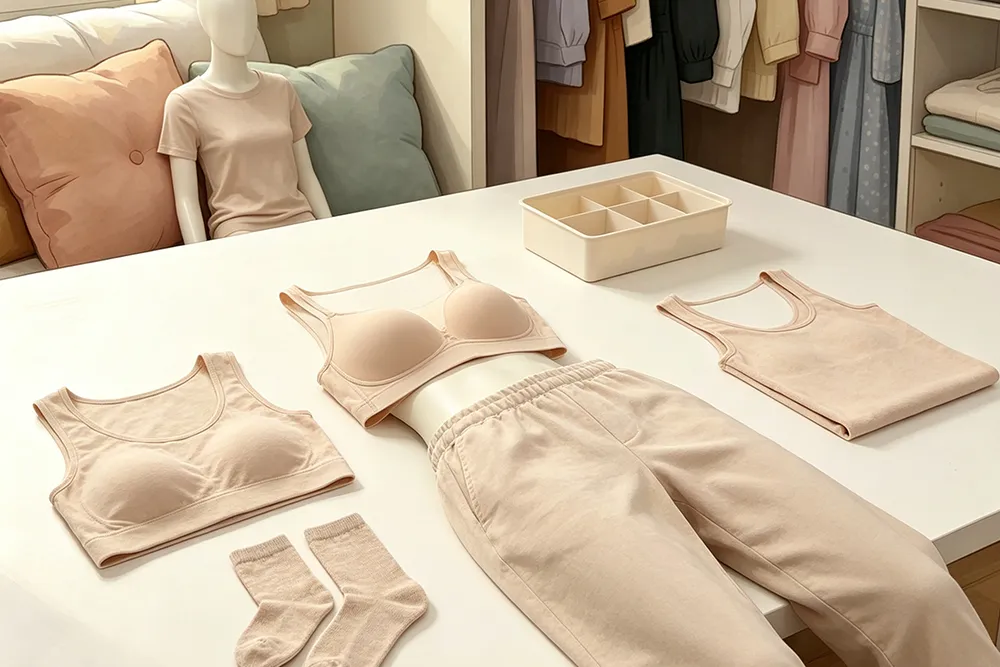
Lingerie deserves extra attention because it sits directly against the doll and often applies more localized pressure than regular clothing.
Recommended Features
Consider:
- Wireless bras
- Soft-cup bras
- Seamless styles
- Soft bralettes
- Adjustable straps
- Wider elastic straps
Avoid lingerie with rigid metal components when possible, particularly underwire bras and other structures that can create concentrated pressure.
Why Avoid Underwire?
Underwire can concentrate pressure along the underside of the bust.
For a sex doll, prolonged localized pressure may leave temporary or persistent impressions depending on the material, garment fit, and storage conditions.
Lingerie is therefore generally better suited to soft, flexible support rather than aggressive compression or shaping.
Heavy molded padding is not necessarily ideal either. The primary purpose of lingerie for a doll should be comfortable, even contact rather than forcing the body into a particular shape.
How to Choose Shoes for a Sex Doll
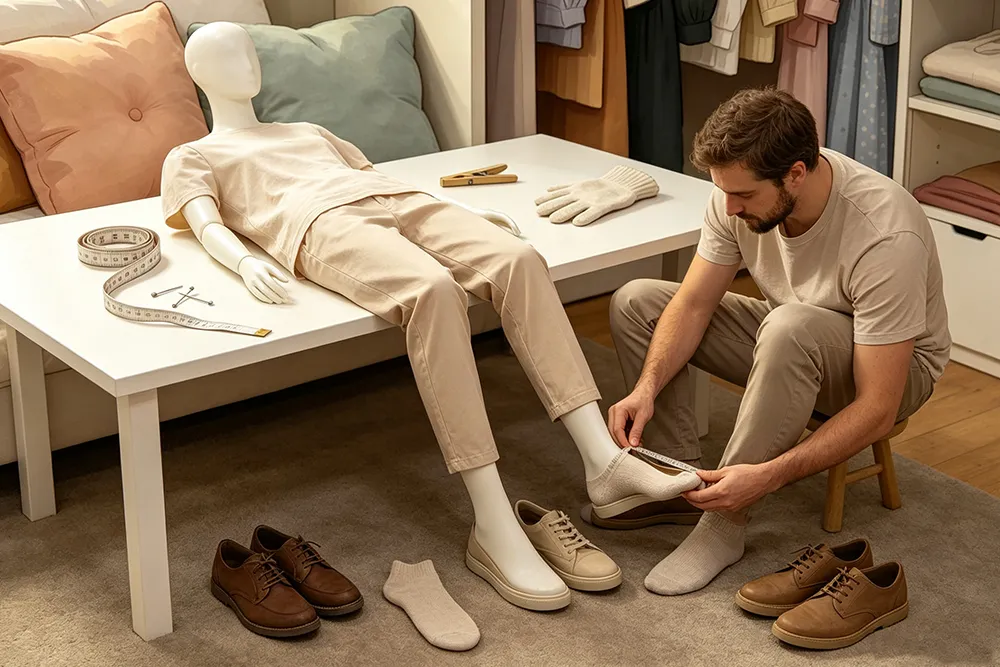
Shoes require a slightly different approach from clothing.
Do not rely solely on a standard US women's shoe size or another traditional shoe-size label.
Start with the doll's actual foot length and compare it with the shoe's interior length.
It is also useful to consider:
- Foot length
- Foot width
- Ankle circumference
As a general sizing guideline, an interior shoe length approximately 0.5–1 cm longer than the doll's foot length can provide some additional room at the toe.
Why Can't You Simply Use Human Shoe Sizes?
A doll's feet may have different proportions from human feet.
Even when a shoe size appears appropriate based on foot length, the shoe's interior width, toe box, heel shape, and upper height may still be unsuitable.
Therefore:
Shoe size is only a reference. Interior length and available space are more important.
Inspect the Inside of Shoes Carefully
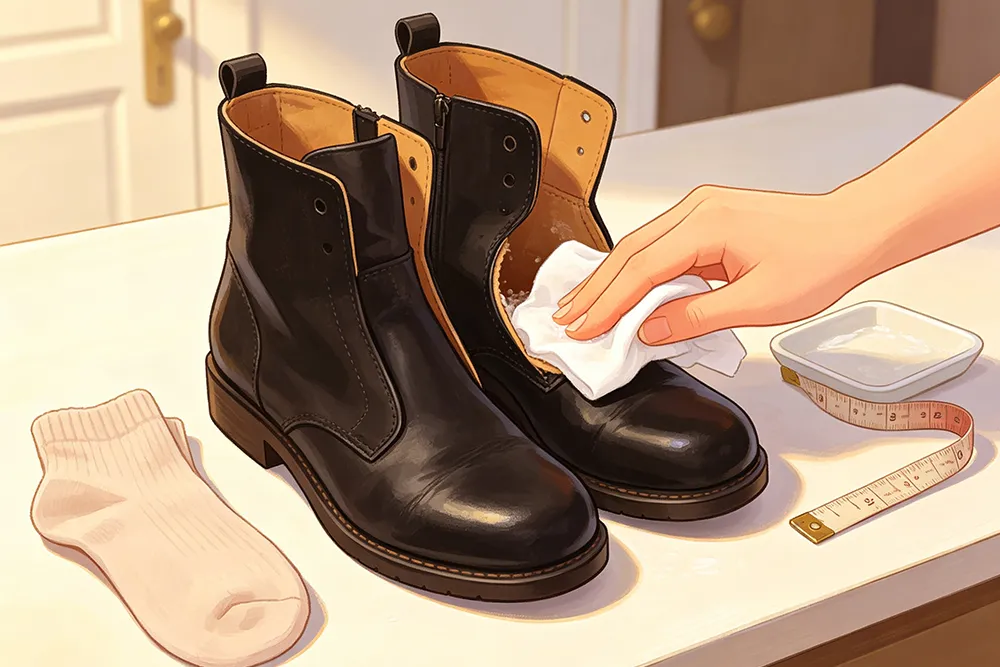
Shoes can present a less obvious problem:
The outside may look perfectly safe while the inside lining can still transfer dye or contain hard edges.
If the interior uses dark PU, synthetic leather, or another material that may release dye, prolonged contact with the doll's feet could increase the risk of discoloration.
When possible, consider shoes with:
- Light-colored fabric interiors
- Smooth interior surfaces
- Adequate internal space
- No exposed sharp hardware
For standing-foot dolls, extra care may be appropriate.
A pair of light-colored, thin cotton socks can provide a simple barrier between the doll's feet and the shoe interior, reducing direct contact with dyes and hard internal components.
Cosplay Clothing: Great for Photos, but Not Always Ideal for Long-Term Wear
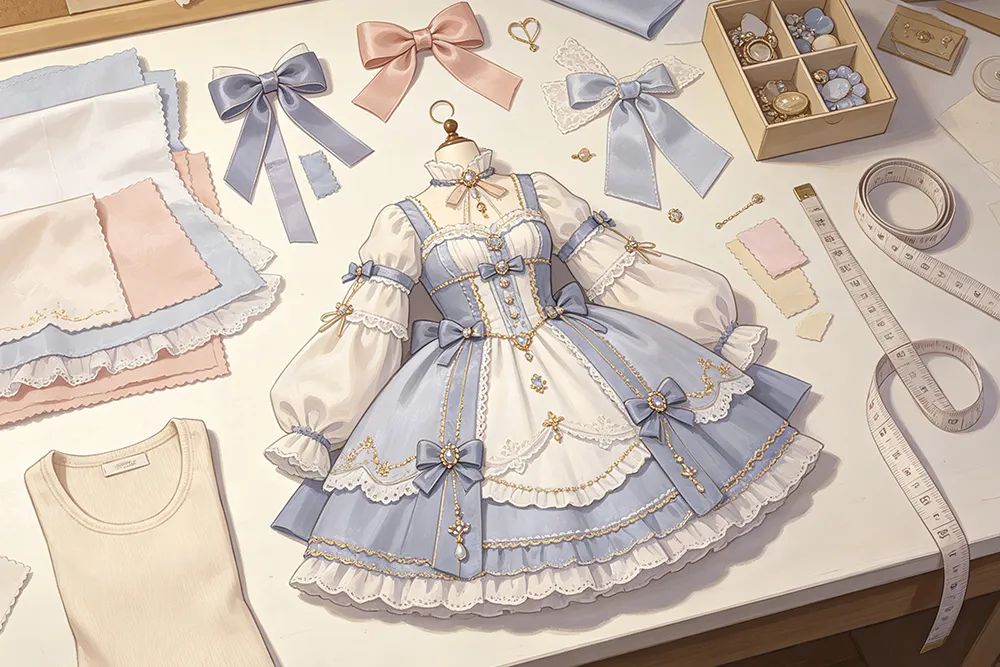
Cosplay costumes are often much more complicated than everyday clothing.
They may include:
- Large areas of dark fabric
- PU or faux leather
- Rigid interfacing
- Boning
- Metal decorations
- Armor components
- Velcro
- Thick printed areas
- Rigid mesh
These elements can help recreate a character's appearance, but they can also increase the potential for dye transfer, friction, or localized pressure.
For this reason, it is often better to think of elaborate cosplay clothing as:
“Photo and display clothing” rather than “long-term everyday clothing.”
If a costume includes rigid accessories, consider adding a soft, light-colored base layer between the accessory and the doll's surface.
For armor-style pieces, relatively soft materials such as EVA foam may be preferable to rigid plastic when the design allows it.
Are Manufacturer-Matched Outfits Worth Buying?
If your primary goal is to recreate the appearance shown in the manufacturer's promotional photos, an original or manufacturer-matched outfit can be a practical option.
Clothing designed specifically for a particular doll model may have an advantage when it comes to body proportions, especially around the bust, shoulders, hips, and joint areas.
However, do not assume:
“Manufacturer-matched = suitable for unlimited long-term wear.”
These are two different considerations.
Some outfits shown in promotional photography may be samples rather than the exact mass-produced garment sold to customers.
If a seller describes an outfit as an “official matching outfit,” consider confirming:
- Is this the actual production version?
- Can the seller provide photos of the physical garment?
- Are actual bust, waist, and hip measurements available?
- What fabric is used?
- Has the dark-colored fabric been tested for colorfastness?
- Are there metal parts, hard tags, or other rigid components inside the garment?
These details are usually more useful than relying on promotional photos alone.
Inspect and Prepare New Clothing Before the First Use
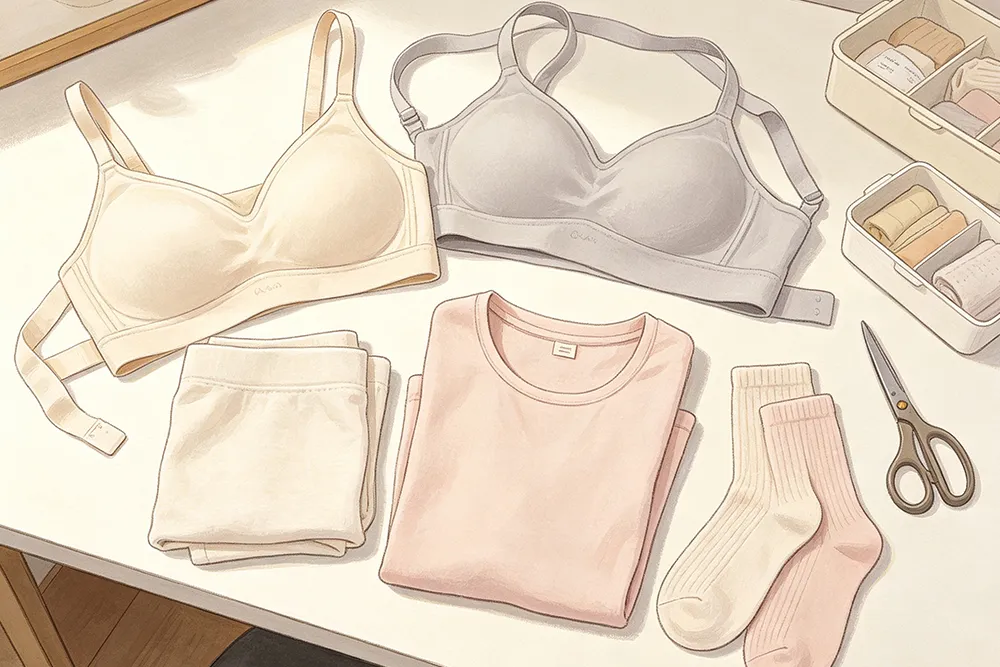
Especially with dark-colored clothing, it is better not to put a newly purchased garment directly onto the doll.
A simple preparation process can help:
Step 1: Inspect the Interior
Remove or secure hard tags, loose threads, or components that could create repeated friction.
Check zippers, seams, decorative elements, and the inside of the garment.
Step 2: Wash the Garment
Wash dark clothing separately in cold water using a mild detergent.
Step 3: Test for Color Transfer
Rub the inside of the garment with a damp white cloth or paper towel.
If noticeable dye transfers to the white material, the garment should not be considered suitable for prolonged direct contact with the doll.
Step 4: Perform a Small Contact Test
Before full use, test the garment on a small, less noticeable area when practical.
This provides an additional precaution against unexpected dye transfer.
Step 5: Check the Doll After Dressing
After putting the garment on, inspect areas that commonly experience pressure or friction:
- Underarms
- Under the bust
- Waist
- Upper thighs
- Cuffs
- Boot shafts
- Feet
Look for excessive tightness, deep creases, pressure marks, or hard components pressing directly against the doll.
Proper Dressing Technique Matters Too
Even a correctly sized garment can cause unnecessary stress if it is put on incorrectly.
Before dressing the doll:
- Wash your hands.
- Keep fingernails trimmed.
- Remove rings and bracelets.
- Open zippers and fasteners completely.
- Loosen straps where possible.
- Turn the garment inside out when helpful.
- Check the inside for hard or sharp components.
When possible, place the doll on a soft, stable surface rather than pulling clothing onto unsupported limbs.
Long-Sleeve Clothing
Do not pull aggressively on the doll's arm.
Instead, open the sleeve fully and gradually guide the sleeve from the hand upward.
If the doll has removable hands, removing them may make tight-fitting long sleeves easier to put on, provided the doll's design allows for safe removal and reinstallation.
Pants
Guide one leg through the pant leg first, followed by the other.
Gradually work the fabric upward instead of pulling forcefully on the waistband.
Tight Necklines
If a pullover garment has a small neckline, do not force it over the doll's head or pull aggressively against the neck.
If the doll is designed with a safely removable head, removing the head before dressing may make the process easier.
How to Dress a Sex Doll: Step-by-Step Guide
Avoid Leaving Clothing on the Doll During Long-Term Storage
This is one of the easiest precautions to overlook.
Even after washing, clothing should not automatically be considered suitable for indefinite wear.
Dark fabrics may still present a dye-transfer concern, while tight garments, elastic bands, and rigid accessories can apply continuous pressure to specific areas.
For long-term storage:
It is generally better to remove clothing, lingerie, and shoes from the doll.
It is also a good idea to store dark and light-colored garments separately and avoid keeping dark fabrics pressed against the doll for extended periods.
Choose Clothing Based on How You Plan to Use the Doll
If you are unsure what type of clothing to buy, start by identifying the intended use.
| Intended Use | Recommended Direction | What to Watch For |
|---|---|---|
| Everyday wear | Light colors, soft fabrics, moderate stretch | Avoid excessive tightness and hard components |
| Photography | Fitted styles can be considered | Remove after the photo session |
| Cosplay | Choose according to the character design | Use extra caution with dark fabrics and rigid accessories |
| Long-term display | Light-colored, soft, relaxed clothing | Avoid prolonged wear |
| Lingerie | Wireless, soft, flexible styles | Avoid excessive compression |
| Shoes | Light-colored interiors and sufficient internal space | Check for dye transfer and pressure |
| High heels | Short-term styling or photography | Avoid prolonged standing when possible |
Do not prioritize an exact costume recreation at the expense of the doll's material care.
A Simple Decision Framework for Buying Sex Doll Clothing
If you want to reduce this entire guide to a simple decision-making process, remember these five steps:
① Start With Measurements
Bust, waist, hips, and shoulder width are the foundation for clothing selection.
For shoes, start with foot length, width, and ankle measurements.
② Check Fabric Stretch
Stretch fabric → More sizing flexibility
Non-stretch fabric → Requires more accurate measurements and sufficient room
③ Consider the Color
For regular use, light-colored clothing is generally the more conservative choice.
With dark clothing, consider the possibility of dye transfer and perform a colorfastness test before prolonged contact.
④ Inspect the Construction
Look for underwire, metal zippers, rivets, hard tags, rough seams, Velcro, and other components that could directly contact the doll.
⑤ Consider How Long the Clothing Will Be Worn
Long-term use → Soft, light-colored, relaxed, low-friction clothing
Short-term photography → More styling options are possible, but remove the outfit afterward
This approach is much more dependable than trying to find a universal “doll clothing size.”
FAQ: Common Questions About Sex Doll Clothing
1. Can a sex doll wear regular women's clothing?
Yes. Human clothing can be an option, but it should not be selected solely according to the doll's height or a standard S/M/L label.
Because doll proportions can differ significantly from human proportions, compare the doll's bust, waist, hips, shoulder width, and other relevant measurements with the garment's actual measurements.
Human clothing sizes should be treated as a general reference rather than a guarantee of fit.
2. Should I buy sex doll clothing one size larger or smaller?
When you are uncertain between two sizes, a slightly larger size is generally preferable to forcing a smaller garment onto the doll.
This is particularly important for non-stretch clothing, which requires sufficient room to be put on without excessive pulling or compression.
3. Can a TPE doll wear black clothing?
Black clothing can be used, but it is important to consider dye transfer.
Wash the garment before use and perform a colorfastness test. If significant dye transfers onto a damp white cloth, avoid prolonged direct contact with the TPE surface.
For regular use, light-colored clothing is generally the more conservative option.
4. Does a sex doll need to stay dressed all the time?
No.
For long-term storage, it is generally better to remove clothing and shoes. This is especially important for dark garments, tight clothing, and outfits with rigid accessories, which may create additional dye-transfer, friction, or pressure concerns.
5. Is cosplay clothing suitable for long-term wear?
It depends on the specific costume, but elaborate cosplay outfits are often better suited to short-term photography or display.
Costumes containing dark fabrics, PU, rigid panels, metal decorations, or tight structures require additional attention to dye transfer, friction, and pressure.
Removing the outfit after use can help reduce these concerns.
6. What size shoes should I buy for a sex doll?
Do not rely solely on the shoe-size label.
First measure the doll's foot length and compare it with the shoe's actual interior length. For boots, also consider the ankle and shaft circumference.
As a general guideline, an interior length approximately 0.5–1 cm longer than the doll's foot length can provide additional toe room.
Final Thoughts: The Core Principles of Choosing Sex Doll Clothing
The goal when buying clothing for a sex doll is not simply to find the most attractive outfit. A better approach is to find clothing that offers the right combination of proper sizing, suitable materials, safe construction, and appropriate use.
If you only remember a few principles, remember these:
- Measure first, then choose the size.
- Prioritize soft, smooth, and appropriately stretchy fabrics.
- Choose light-colored clothing for regular use when possible.
- Test dark clothing for dye transfer before prolonged contact.
- Avoid underwire, sharp metal components, and problematic rigid structures.
- When sizing is uncertain, avoid forcing a tight fit.
- Remove photo and cosplay outfits after use.
- For long-term storage, remove clothing and shoes from the doll.
With this approach, you do not have to rely on guesswork when shopping for clothing from different brands, manufacturers, or styles. Instead, you can make a more informed decision based on body measurements, garment construction, material characteristics, and intended use.